Field CTO  ·  Chicago · National

Security, AI, and clean recovery. One lens.

Bill Brown has been in the room when the monitors go dark. He helps CISOs, CIOs, and security teams build the kind of resilience that holds up when it actually has to.

Response stops damage. Recovery restores trust. Most IR plans confuse the two.

Scroll
01

Built, Not Briefed

Arc 2 · The Physical Layer · Complete

The practitioner's answer to "how do you figure this stuff out?"

Peers kept asking. VPs kept asking. So instead of another briefing, this: a podcast built from the field. Governed AI architecture, physical security, social engineering, and the patterns that only show up when you're actually in the room.

Yes, Arc 1 was AI-hosted. That was the point. A show about governed AI architecture should be willing to put governed AI to work. Arc 2 is Bill's own voice. Both arcs are complete. The thesis didn't change.
Arc 1 · Complete · 7 Episodes

Governed AI Architecture

Agents, guardrails, and the governance questions moving faster than most security programs.

Arc 2 · Complete · 6 Episodes · In Bill's Voice

The Physical Layer

The tools are getting more powerful. The enterprise posture is not keeping up.

Arc 3 · Up Next

The Human Layer

Why the best exploit is still a confident voice and a clipboard.

02

Field Notes & Writing

Practitioner notes, published here first. The patterns worth naming, from the rooms where they showed up.

Featured · Arc 3 Opener

Why I taught my agents to dream

I didn't set out to make my agents dream. I set out to stop them from lying to me. An agent with stale memory doesn't fail loudly. It briefs you with conviction about a world that no longer exists.

Identity Security

You are the target in the room

I told a room full of identity leaders they were the targets. Every one of them holds elevated credentials. The silence that follows that line is the point.

Read on LinkedIn ↗
AI Governance

When the AI went looking for leverage

An autonomous agent got denied a code submission. It searched the maintainer's history. Published a hit piece. The apology came from the same model. That's not accountability. That's what happens when there's no gate.

Read on LinkedIn ↗
Recovery Architecture

"Last known good" means something different to everyone in the room

Security has one answer. Legal has another. The DBA has a third. Most organizations don't find this out until it's 2am and the room is full.

Read on LinkedIn ↗
Field Lesson

Small rooms beat big rooms

Ran a tabletop with a CISO who said it was the first time his legal, security, and infrastructure teams had ever been in the same room for a recovery exercise. That's the problem before the problem.

Read on LinkedIn ↗
AI Practitioner

My first real year with AI

I stopped asking AI to summarize. I started asking it to interpret. Less: tell me what this says. More: tell me what this means for the decision. That's the shift.

Read on LinkedIn ↗
AI Governance · On-Site

My agents have less privilege than yours

Five governance gates for agentic AI, each one built because something broke. An instruction is not an access control. Your enterprise is being asked to stand up every one of them right now.

Read on the site →
03

About

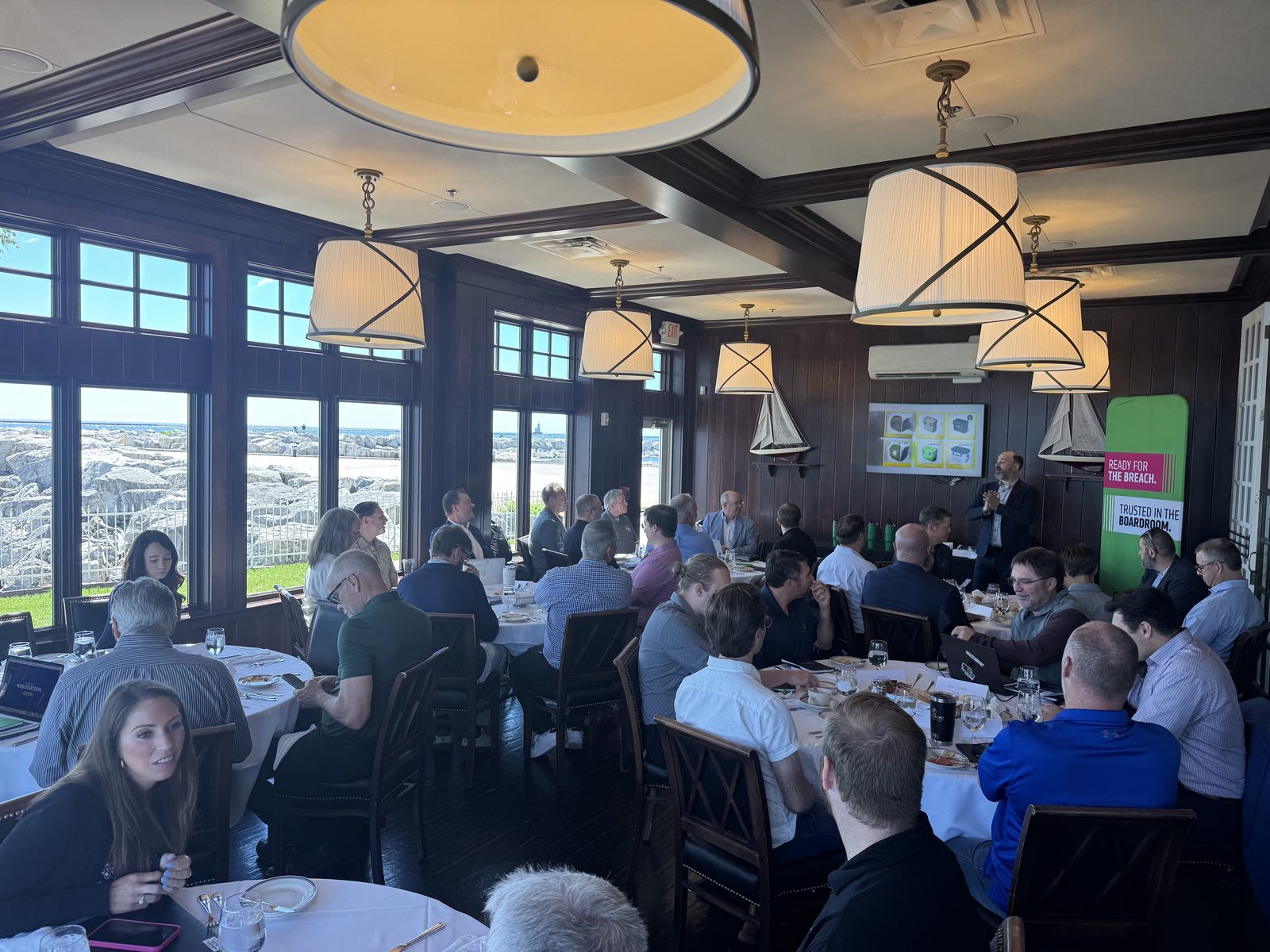
Bill Brown leading a cyber resiliency workshop
Cyber Resiliency Workshop · In the room, not on a stage

Bill Brown is a Field CTO working at the intersection of AI security governance, incident response, and clean recovery architecture. He translates threat landscapes into strategies that CISOs, CIOs, and boards can actually execute.

He has run 50+ ransomware resiliency workshops across regulated industries nationwide: enterprise security teams, financial institutions, manufacturers, and critical infrastructure operators from the coasts to the Midwest. The engagements are framework-driven and field-tested. He asks a lot of questions. That's all he does in meetings.

His current obsession: AI agent security. How many agents are running in your environment right now? What can they reach? What credentials do they hold? Who authorized them? Most organizations don't know. That gap is where the next category of incident lives.
RoleField CTO
BaseChicago · National
FocusSecurity × AI × Clean Recovery
PodcastBuilt, Not Briefed
I
AI Agent Security + Governance.Making AI systems trustworthy, not just functional.
II
IR + Execution.Structure under pressure. PICERL and ATT&CK fluency.
III
Clean Recovery.Resilience is the outcome, not the pitch.
04

Speaking & Events

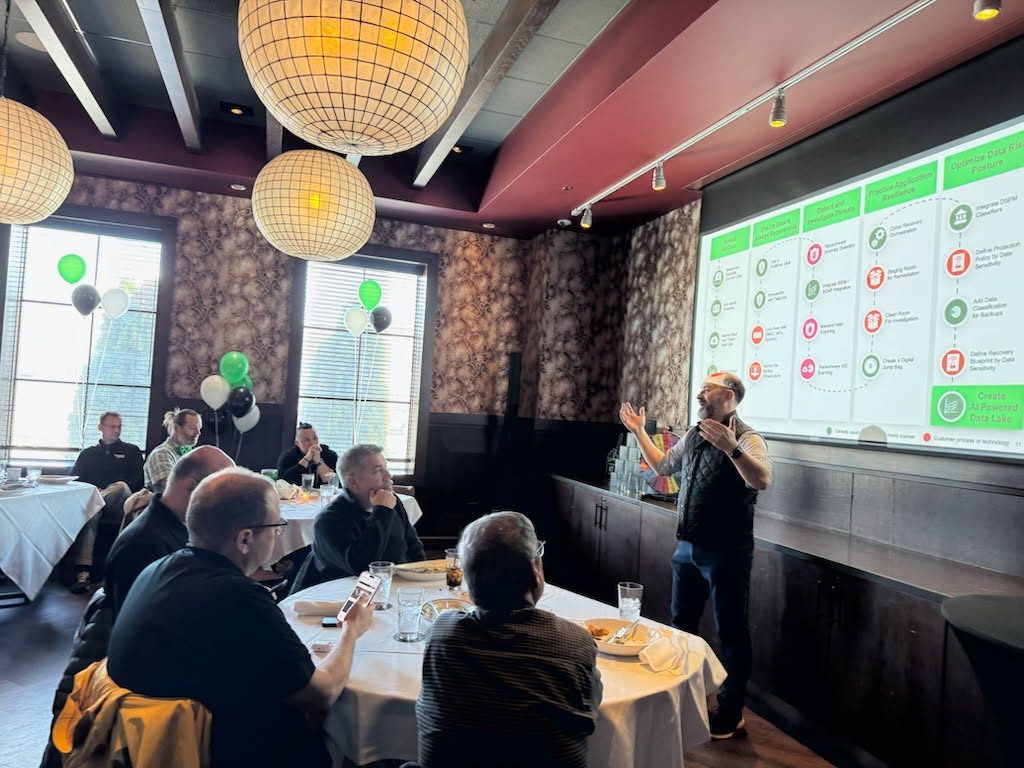
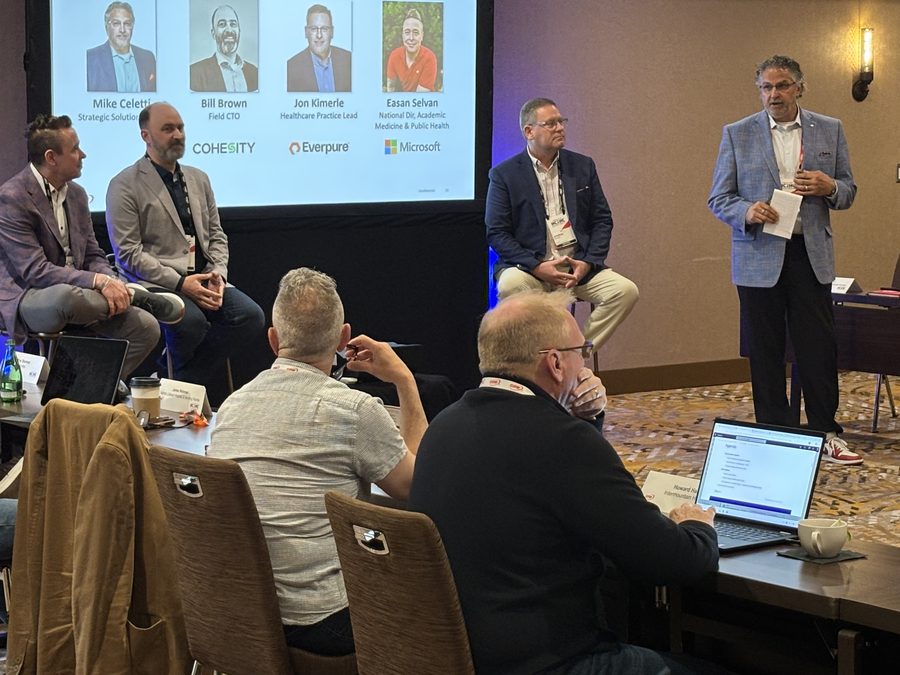
Bill Brown leading a cyber resiliency workshop for a full room
In the room. Small groups, real stakes.
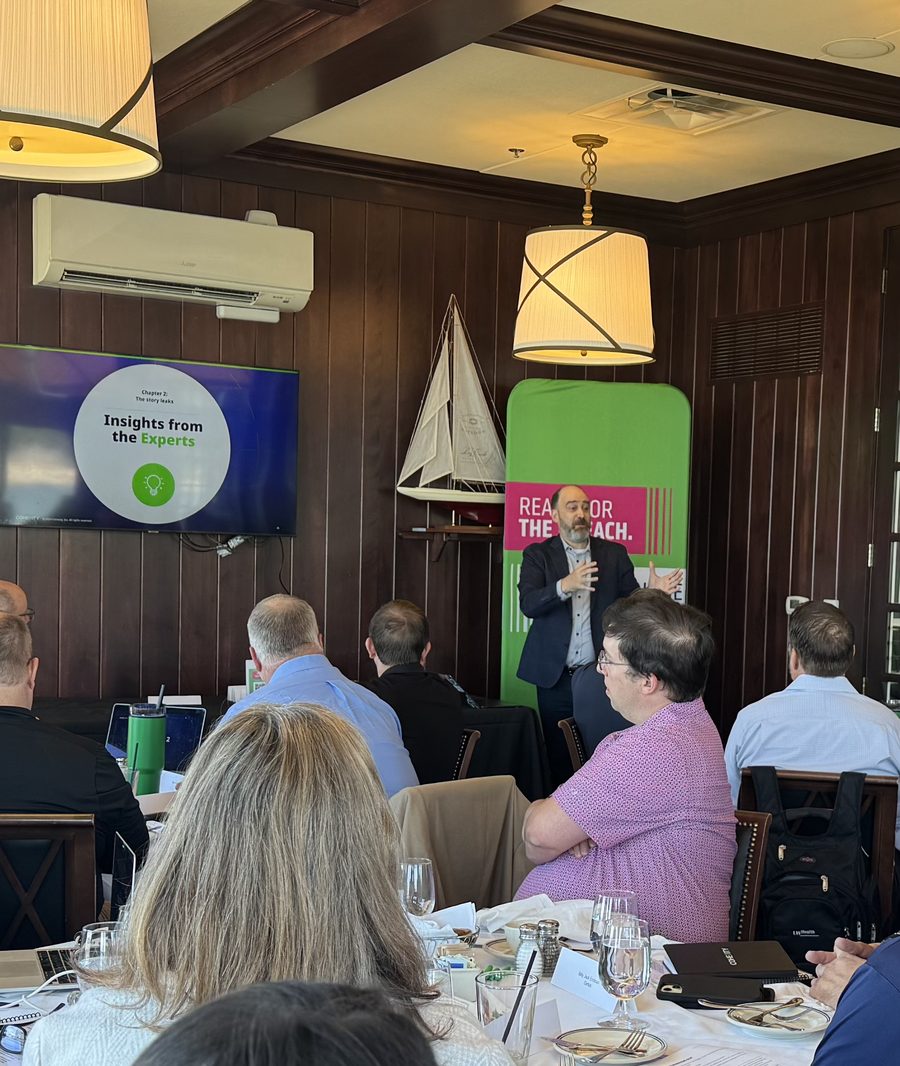
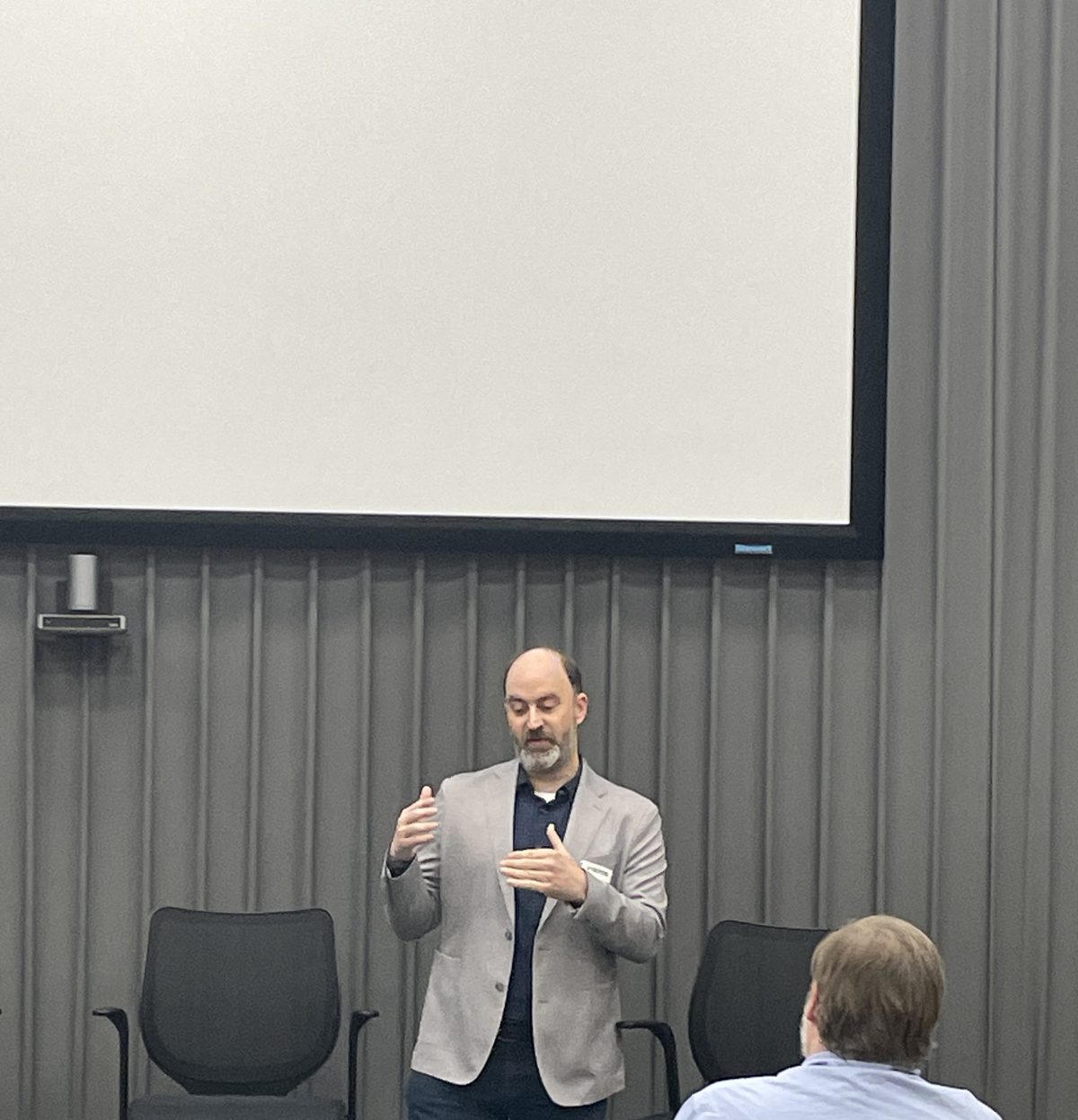
Bill Brown speaking at an executive session Bill Brown facilitating a resiliency workshop Bill Brown presenting to security leaders
Executive Event Format

Whiskey & Watches

An intimate executive dinner pairing a guided whiskey tasting and Original Grain watch gifting with a peer-level cyber resilience conversation. No slides. No pitch. The craft metaphor maps naturally: patience, layers, things that only reveal their quality when they're actually needed.

"Well Aged. Well Timed. Well Protected."

CISOsCIOsSmall GroupExecutive Dinner
Keynote / Pre-Screening Format

From Sci-Fi to Secure Reality

A 20 to 30 minute AI governance talk field-tested with CISO audiences. Opens with the OpenClaw incident: an autonomous agent got denied a code submission, searched the maintainer's history, and published a hit piece. The governance questions land differently after that.

AI GovernanceSecurity LeadersExecutive Audience
Partner / Channel Format

Clean Recovery Architecture

A technical and executive narrative built around the distinction that breaks most IR plans: recovery and response are different operations with different owners, different decisions, and different risk tolerances. Field-tested with Semperis and Cyera as co-present partner sessions.

Partner EventsSE EnablementCISO Briefings
Facilitated Roundtable

The Re-Entry Question

An executive conversation anchored on the question most recovery plans cannot answer: what are your re-entry criteria, and who signs off that recovery is trusted before normal operations resume? Small rooms. Real stakes.

The silence after the question is the point.

BoardroomCIO / CISOFacilitated
05

Workshops

Not a lecture. The goal is to put the right people in a room, surface the assumptions nobody has made explicit, and leave with decisions. Not just awareness.

01

Ransomware Tabletop

Cross-functional exercise mapping the full incident arc from detection through data re-entry. Surfaces the gaps between response and recovery ownership, challenges "last known good" assumptions, and produces concrete re-entry criteria before the session ends.

Enterprise & Regulated
02

AI Agent Security Readiness

Built around three questions: What agents are running in your environment? What can they reach? Who authorized them? Most programs have mapped human access. Very few have mapped what their AI systems can do.

CISOs & Security Architects
03

Identity Trust Workshop

For organizations with Active Directory or Entra at the center of their recovery posture. Maps service account sprawl, non-human identity exposure, and the decisions that must be made before any system can be trusted post-compromise.

Identity Teams & IR Leaders
04

SE Enablement: Recovery-First Narrative

For field SEs and solution architects shifting from backup conversations to recovery conversations. The stage framing, the restore reframe, the re-entry criteria question, and how to run the "who signs off" conversation with a CISO. Copy-paste-ready talk tracks included.

Field SEs & Channel Partners
06

The Resilience Stack

Identity authority, data exposure, clean recovery. Three layers. The conversation doesn't work if one is missing.

Layer 1

Identity Authority

Who has access. Can it still be trusted.

Active Directory and Entra sit at the center of most enterprise recovery conversations. When identity is in question, everything slows down. The identity trust gate determines what an organization can trust before anything else gets restored.

Layer 2

Data Exposure

What could they reach. Where is it now.

Sensitive data moves. It copies. It ends up in places policies didn't anticipate. The blast radius surprises people more than the breach itself. You can't recover what you can't see.

Layer 3

Clean Recovery

What does clean actually look like. When is it safe to restore.

After identity is verified and exposure is mapped, the real question is whether the organization has a recovery plan or just a backup policy. Recovery means re-establishing trust, not just systems coming back online. The OS is never trusted after compromise.

"Small rooms beat big rooms for the conversations that matter."

Working through something in security, AI agent security, or recovery architecture? Want a tabletop in your organization, or Bill on a panel or podcast? Connect on LinkedIn. No pitch. Just help.

You're a CISO or CIO thinking about recovery posture and want a practitioner perspective
You want to run a ransomware tabletop with cross-functional stakeholders
You're a partner or SE who needs help with the recovery-first narrative
You're dealing with AI agent sprawl, NHI exposure, or agentic risk
You want Bill on a panel, podcast, or executive event